Services

Orthotics

What are Orthotics

Orthotics are designed to fit inside your shoes to help increase mobility within the foot which has restricted movement due to a biomechanical dysfunction (functional). Alternatively they help protect the foot against excessive force building up corns or callus (accommodative). In a nut shell, they'll help your foot move better or protect them against increased pressure in the wrong area.

How do orthotics work?

Orthotics work by positioning the foot into a posture that aids the foot to move in the most efficient movement to ensure a smooth gait / walking pattern, or to deflect pressure away from an area of pain / trauma.

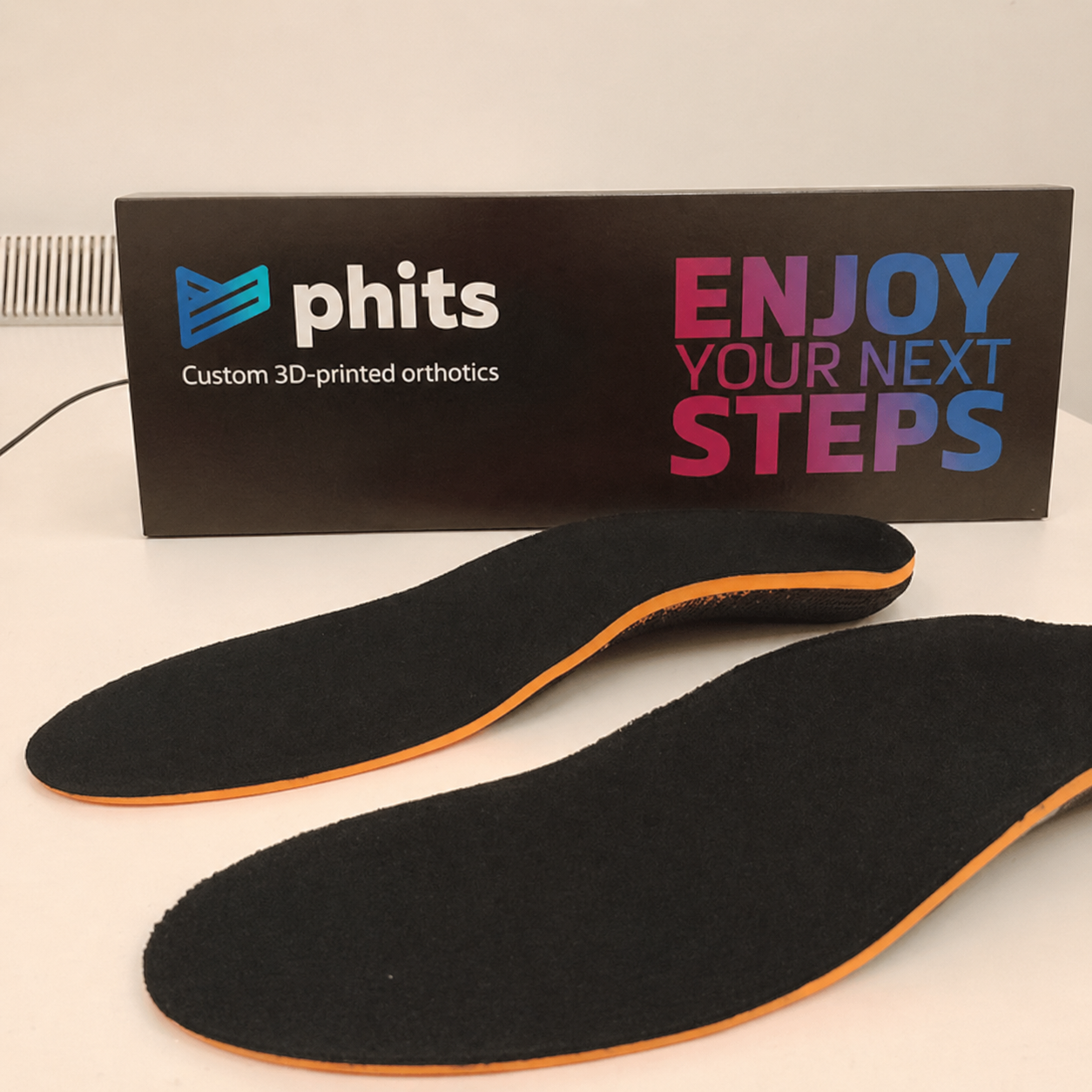
Phits 3D Printed Data Driven Orthotics

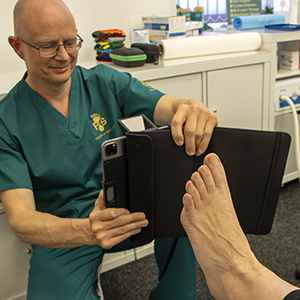
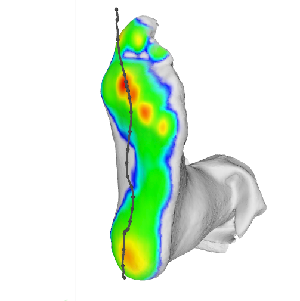
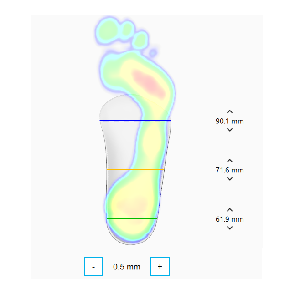
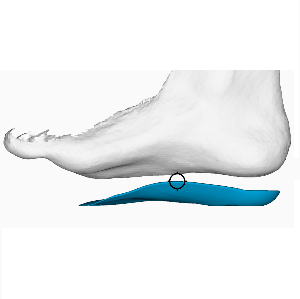
At the Podiatry & Gait Clinic, we use the Gold Standard of Gait Analysis Equipment and Software, as approved by the Royal College of Podiatry. Utilising Gait and Motion Technology's Footscan System and Software, combined with 3D scanning each foot, we can design your superior custom orthotics with the highest level of accuracy, specifically for your feet (each insole is specific to each foot's pressures and mobility requirements).

Information gathered from the physical assessment and the data gathered from the Footscan system is used to design your orthotics on the computer, and then when the design process is complete, the order is sent directly to the manufacturers, where the orthotics are 3D printed, and completed with a soft top cover.

Whether you are an elite athlete like Charlotte Purdue who uses Phits 3D orthotics or just an every day runner, even just walking the dog. Phits 3D orthotics are the superior insoles customised for your feet. We can also make sport specific orthotics including Golf, Football, Cycling and Skiing.

3D Scanning of Feet

4D Results of Scans

Footscan OverLay

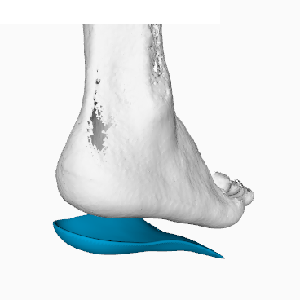
Orthotics Designed with 3D Scan

Custom Arch Support

Phits+ 3D Printed Orthotics

Does everyone need orthotics?

People who will benefit from orthotics will usually suffer from some form of discomfort or pain to the feet, knees or even the lower back! Typical problems can include limited range of movement in the big toe joint, flat feet (pes planus) or even leg length difference! This is not a definitive list - just a few basic examples.

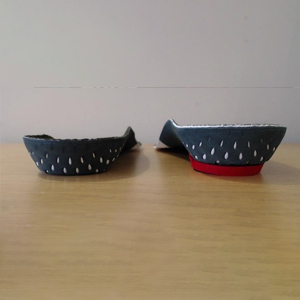
A very common problem we come across in clinic is a leg length difference in patients who have had a hip replacement. When the new joint is placed in the femur it can either extend or shorten the leg from a few mm, to an inch or more! This results in the hips being uneven and forcing a light curve to the lower back (lumbar curve). Over-time this can cause lower back-ache. A simple heel-raise for the shorter leg will correct this difference and help correct your back.

Simple Heel-Raise

Heel Raise for Leg Length Difference
Privacy & Cookies Policy